
A roll of aluminium foil is usually associated with kitchens rather than gardens, yet it has quietly found a place among a range of household gardening tricks. Gardeners often experiment with simple materials before turning to specialist products, particularly when dealing with recurring pests or trying to improve growing conditions around vulnerable plants.Foil attracts attention because it reflects light, withstands weather reasonably well, and can be shaped without much effort. It is not a replacement for good gardening practices, nor is it a guaranteed answer to every pest problem. Even so, many gardeners use it in small, practical ways around beds, containers, and vegetable plots. From discouraging insects to improving light levels around plants, a few carefully placed pieces of foil can sometimes provide benefits beyond their original purpose.
Ways to use aluminum foil in the garden
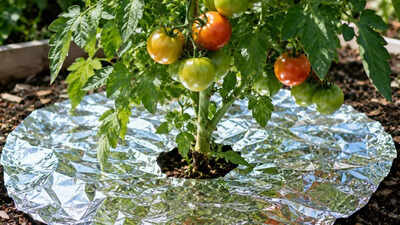
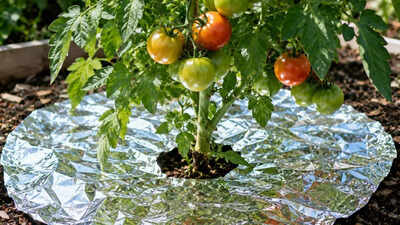
1. Using aluminium foil as a reflective ground coverPlaced around the base of plants, aluminium foil can bounce sunlight back towards lower leaves that might otherwise remain shaded. The extra reflected light can brighten the growing area beneath dense foliage while also creating conditions that are less appealing to certain insects. Some gardeners combine this approach with existing mulch layers rather than replacing them entirely.2. Hanging aluminium foil around crops and fruit plantsLoose strips or suspended pieces of foil often move with the slightest breeze. The shifting reflections can make birds hesitant to land among crops, particularly in areas where fruit, seedlings, or young vegetables are exposed. In some gardens, the flashes of light may also discourage other animals from approaching planting beds too closely.3. Placing aluminium foil around pest-prone plantsMany small pests rely on visual cues when locating suitable plants. Reflective surfaces can interfere with those signals by scattering light in multiple directions. As a result, insects such as aphids and whiteflies may find it more difficult to settle on tender growth, reducing the likelihood of large infestations developing around vulnerable plants.4. Creating protective collars for young stemsYoung vegetables are often at their most vulnerable near ground level, where crawling pests can reach stems easily. A loose collar made from aluminium foil around the base of a plant can act as a physical obstacle. The barrier does not eliminate pests, but it may make it harder for certain insects to access delicate stems.5. Covering bare soil with reflective materialWhen used carefully around planting areas, foil can limit direct exposure of the soil surface to intense sunlight. This may slow moisture loss during warmer periods and help maintain more stable conditions around roots. Gardens experiencing prolonged dry spells often benefit from any measure that reduces unnecessary evaporation from exposed ground.6. Building a simple reflective backing for seedlingsSeedlings grown indoors frequently lean towards a single light source, producing thin or uneven growth. A foil-lined backing placed behind trays can redirect available light around the plants, helping illumination reach different angles. This simple adjustment may encourage straighter growth and produce sturdier young plants before they are moved outdoors.