


Villains Experience More Dramatic Transformations
Many anime protagonists remain consistent throughout their stories. Characters such as Monkey D. Luffy and Naruto Uzumaki grow stronger and wiser, but their core values rarely change.
Villains, however, often undergo dramatic transformations. A perfect example is Meruem from Hunter x Hunter. Introduced as a ruthless king who views humans as inferior, he gradually develops empathy and learns the value of human life through his relationship with Komugi. By the end of his story, he becomes one of anime’s most tragic and layered characters.
They Challenge the Audience’s Morality
The best anime villains make viewers question who is truly right. Rather than being evil for the sake of being evil, many antagonists have goals that seem reasonable, even if their methods are not.
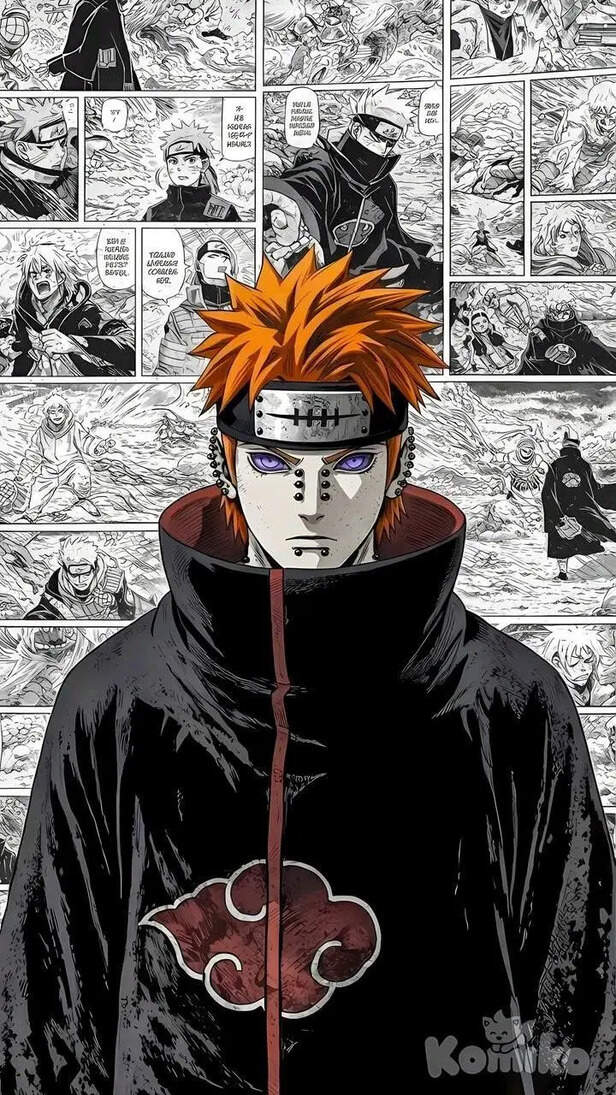
Pain from Naruto is a great example. After experiencing unimaginable loss during war, he believes that shared suffering is the only way to bring peace to the world. While Naruto opposes him, many fans found Pain’s arguments thought-provoking because they were rooted in real pain and experience rather than pure malice.
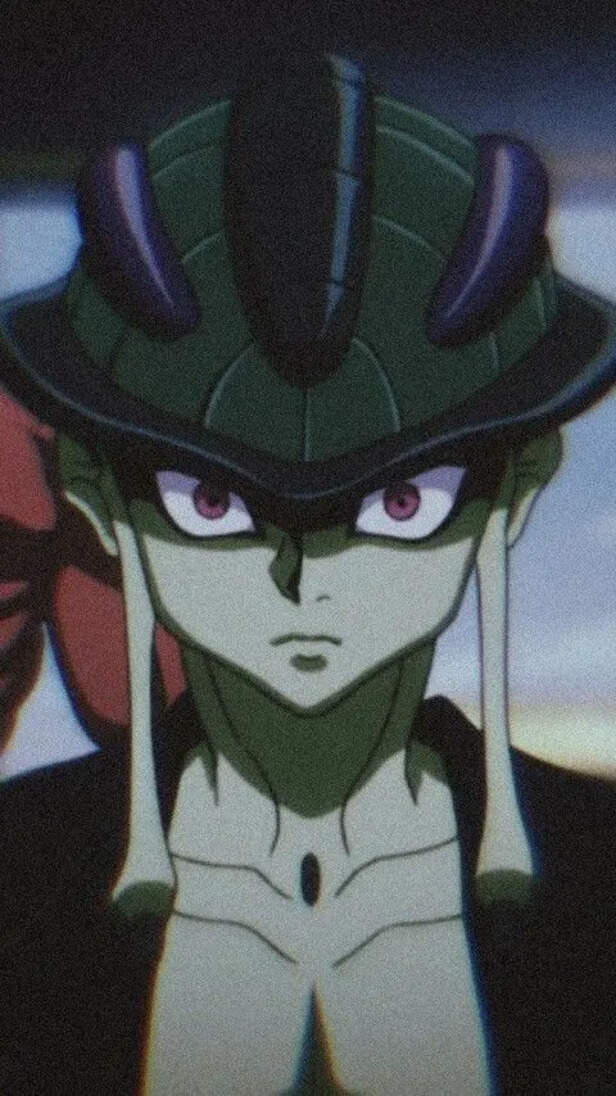
Image credit : Pinterest | Many anime villains serve as dark reflections of the protagonist.
Tragic Backstories Create Emotional Depth
Anime often dedicates significant time to exploring a villain’s past, helping audiences understand how they became who they are.
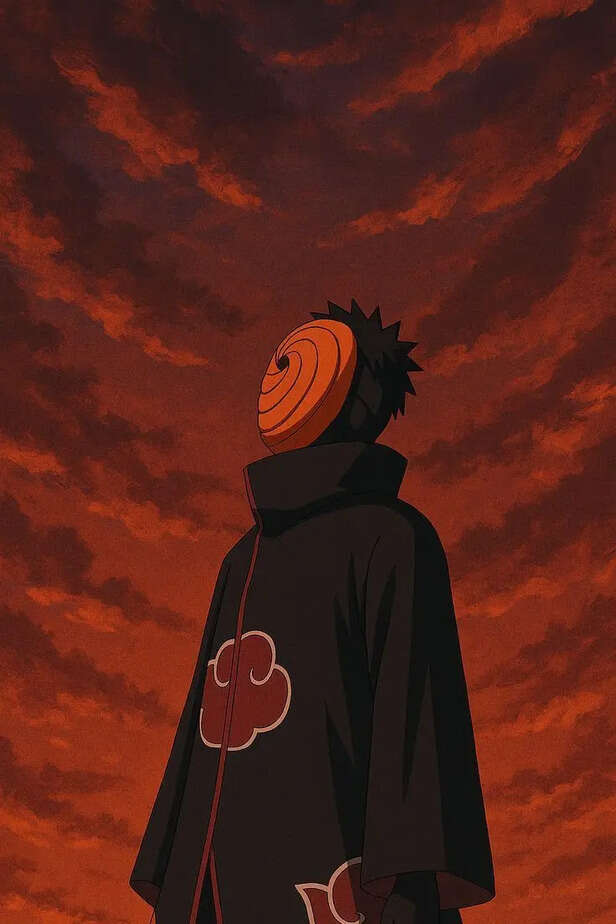
Characters like Dabi and Obito Uchiha are examples of villains whose tragic childhoods and personal losses shaped their descent into darkness. Their stories do not excuse their actions, but they add emotional depth that makes them far more compelling than one-dimensional antagonists.
Villains Have More Freedom Than Heroes
Heroes are often expected to remain inspirational and morally upright. Because of this, writers may be limited in how much they can change a protagonist.
Villains have far fewer restrictions. Light Yagami from Death Note begins as a brilliant student who wants to rid the world of criminals. As the series progresses, his obsession with power transforms him into the very kind of person he once claimed to oppose. Watching this gradual corruption is one of the reasons Death Note remains so popular.
They Reflect What the Hero Could Become
Many anime villains serve as dark reflections of the protagonist. They often share similar goals, dreams, or experiences but take a different path.
For example, Obito Uchiha and Naruto both experienced loneliness and hardship. The difference is that Naruto found hope through his bonds with others, while Obito succumbed to despair. This parallel makes their conflict far more meaningful than a simple battle between good and evil.
Great Villains Make Great Stories
Strong heroes are essential, but memorable villains often elevate a series to another level. Through complex motivations, tragic histories, and dramatic personal growth, they bring emotional and philosophical depth to the story.
From Meruem’s transformation in Hunter x Hunter to Pain’s ideology in Naruto and Light Yagami’s downfall in Death Note, anime villains often receive some of the medium’s most fascinating character development. Their journeys remind viewers that the most compelling characters are not always the heroes, they are sometimes the ones standing in their way.