

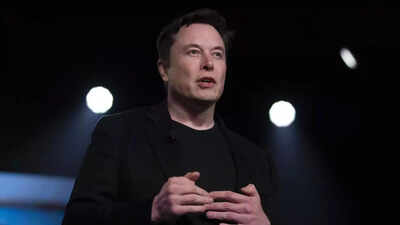
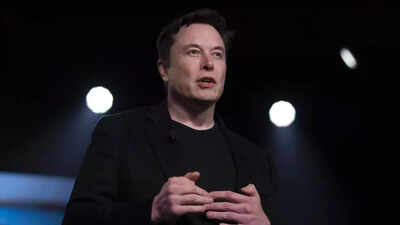
Elon Musk has responded to a report debunking claims that data centers are excessively “stealing” water for AI cooling, noting that even a tripling of their usage by 2030 would equal just 8% of U.S. golf courses’ annual water consumption. The conversation started when entrepreneur and investor Naval Ravikant recently shared a post writing “The latest IQ test involves data centers and water”. News platform Pirate Wires replied to the post arguing data centers are not “stealing” water along with a link to December 2025 article titled “The Data Center Water Crisis Isn’t Real”. Musk agreed with the argument and replied to the post writing ‘True’.The conversation comes amid rising protests against data centres in the US. More than 11 states are reportedly planning to ban data centres.
Former physics teacher questions data centre and water usage statistics
The Pirate Wires report is based largely on the work of Andy Masley, a writer behind the Substack The Weird Turn Pro, who has spent months challenging claims made in major reports and media coverage about AI’s environmental impact. According to the article, Masley began investigating the issue after repeatedly hearing people claim that using tools like ChatGPT was “bad for the climate” because of water use. Pirate Wires said Masley used “Claude, some back-of-the-napkin math” and his background as a former physics teacher to examine widely shared statistics about data centers. The report argued that many headlines use “big, scary numbers” without proper context and compare data center water use to household consumption instead of comparing it with other industries. One of Masley’s key arguments, according to the report, is that even if the total power and water use of US data centers triples by 2030, it would still account for only around 8% of the water consumed annually by American golf courses and about 1% of the water used for irrigated corn farming. The article also said Texas data centers reportedly consume 463 million gallons of water, but that number represents just 0.005% of the state’s daily water demand of 13 billion gallons. The report further claimed that US data centers used around 200-250 million gallons of fresh water per day in 2023, equal to about 0.2% of the country’s total daily water consumption of 132 billion gallons. “When you’re online, you’re using a data center as you would a personal computer. It’s a miracle that something we spend 50% of our time using only consumes 0.2% of our water,” Masley wrote, according to Pirate Wires. Pirate Wires also interviewed Masley about reports linking AI data centers to local water shortages and pollution. Masley said data centers can affect local systems “in the same way other large industries can,” especially when several industries operate in the same area. However, he added that there is “no widely confirmed instance of a functioning AI data center directly causing pollution, water shortages, or sustained hikes in local prices.” The report also pushed back against media stories involving companies such as Meta and Amazon. In one case involving a Meta data center project, Pirate Wires argued that local water problems were likely caused by construction sediment rather than ongoing data center operations. In another case involving Amazon facilities in Oregon, the article claimed data centers were being blamed for pollution that was largely linked to farming and food processing industries already operating in the region. Another major part of the report focused on claims made in the book Empire of AI by journalist Karen Hao. Pirate Wires said Masley identified errors in a statistic about a planned Google data center in Chile supposedly using “more than one thousand times” the water consumed by local residents. According to the article, the figure was later corrected after a unit conversion mistake involving cubic meters and liters. Masley told Pirate Wires that he is not arguing people should stop questioning data centers altogether. “But I do also want people to just be very careful before they condemn something to look really closely at it,” he said. He added that people concerned about climate issues should focus on accurate data and “make sure that what you’re saying lines up with reality.”