


The Japanese proverbs are renowned worldwide for their simplicity, wisdom, and ability to connect with the experiences of people in real life. The sayings are typically associated with animals, nature, and normal circumstances, and through them, they impart valuable lessons on the behaviour of humans, interpersonal relationships, patience, and success. The Japanese proverbs usually tend to be short and simple to comprehend, but they contain profound lessons which apply even today.One of the reasons Japanese proverbs remain popular is because they explain complex truths through simple imagery. Instead of using long explanations, they rely on symbols and metaphors that instantly create a strong message in the listener’s mind. Whether the topic is kindness, effort, gratitude, or foolishness, Japanese proverbs continue to inspire people across cultures and generations.
Japanese proverb of the day
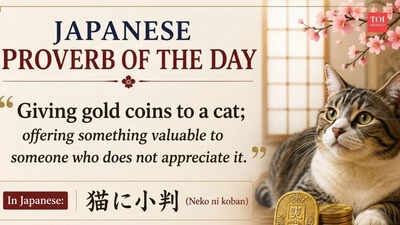
Today’s Japanese proverb is: 猫に小判 (Neko ni koban) – “Giving gold coins to a cat; offering something valuable to someone who does not appreciate it” which means offering something valuable to someone who does not appreciate or understand its worth.There is a clear picture being painted by the proverb. Gold coins are very valuable, but the cat does not have any comprehension of money. It means that to the cat, gold coins are worthless because they do not understand their worth. The same thing happens when a person invests time and efforts into another person who does not value the effort put into it. The essence of the proverb is to appreciate those who deserve it. There is a very useful message hidden in the meaning of this proverb. As people, we tend to do many things, whether we are helping someone out, giving tips on something, and other activities. Unfortunately, not everyone sees or realises the effort involved. They might not see how helpful some piece of advice may have been or how useful one’s presence could have been at a certain time. This proverb is telling us that only appreciated value will remain valuable. It is also significant in the sense that the proverb inspires people to be prudent in allocating their efforts and energy to people. In many instances, people tend to spend lots of energy on convincing individuals who cannot appreciate or understand them. This might bring about a lot of frustration for one. The proverb advises one also to be wise enough to realise when something valuable is being disregarded. On the other hand, this proverb also encourages self-inspection because people sometimes fail to recognise valuable information and people around them. For example, a person may fail to value friends who offer good advice, as well as opportunities presented to them. This might happen when it is too late to do anything about it. With all of this in mind, one can see how appropriate this lesson is in the modern-day world. There is an abundance of information, possibilities, and contacts around us, but very often people do not understand their value. Valuable things can simply pass one by due to distraction, impatience, or even ignorance.The beauty of Japanese proverbs lies in their ability to teach life lessons without sounding harsh or complicated. Through a simple image of a cat and gold coins, this proverb communicates ideas about appreciation, wisdom, and human nature in a memorable way. It encourages people to value what they receive and to understand the importance of recognising true worth before it is lost. This Japanese proverb carries a timeless lesson about appreciation and understanding. It reminds people that even the most valuable things can lose meaning when they are given to someone who does not recognise their worth. Whether it is advice, kindness, knowledge or opportunity, true value exists only when it is appreciated. Like many traditional Japanese proverbs, this saying uses a simple image to communicate deep wisdom about life and human behaviour. Its message continues to remain meaningful in today’s world, encouraging people to be more grateful, thoughtful and aware of the value present in their lives.