



It can sting in a very particular way when a child runs to your partner first, asks for their help, or lights up more readily in their presence. The feeling is often hard to name because it does not fit neatly into the image most parents have of themselves. Parenting is supposed to be selfless, steady and generous, yet jealousy can quietly appear anyway, sharp, private and embarrassing. For many parents, especially those who already carry emotional fatigue, insecurity or a fear of being replaced, watching a child prefer one adult over another can feel less like a small family moment and more like a personal verdict. The truth is that this reaction is more common than people admit. It does not mean you love your child less, and it does not mean you are immature or unfit. It usually means something deeper is being touched: the need to feel chosen, the fear of being sidelined, the ache of comparison, or the old wound of not feeling fully enough. Children, meanwhile, are rarely making a grand emotional statement. They are often responding to tone, availability, playfulness, energy or simple novelty. Understanding that difference matters. Jealousy becomes easier to handle when it is seen not as a moral failure, but as a signal that something tender in you has been activated.
It is more common than people say
Parents are expected to be endlessly secure, but real life is messier. A child may go through phases where they prefer one caregiver for bedtime, one for play, or one for comfort after a fall. That does not mean the other parent is being rejected in any absolute sense. Children make attachment choices based on mood, routine, convenience and personality shifts. They are not drawing up a permanent ranking of love.

Still, it can feel deeply personal. Especially when you are the one who does the invisible work, the discipline, the school runs, the meals, the worry and the emotional labor, while your partner seems to get the easy smiles and the spontaneous hugs. Jealousy often grows in the gap between effort and visible reward.
Why it can hurt so much
What makes this feeling intense is that it rarely stays on the surface. It can tap into older memories of being overlooked, dismissed or competing for attention. Some people do not just feel jealous of a partner’s bond with the child, they feel replaced, excluded or less lovable. That is why a small scene, like a child choosing one parent for a story or a cuddle, can land like something much bigger.For others, the feeling comes from exhaustion. When you are stretched thin, any sign that your care is not being preferred can feel unfair. Parenting asks for so much emotional output that even a normal child preference can hit the nervous system like a slight.
Children are responding to closeness, not declaring loyalty
One of the most important things to remember is that child preference is not usually about love in a strict sense. Children are often drawn to the parent who is currently more playful, less rushed, more novel or simply more available in that exact moment. Sometimes they prefer the parent who does not enforce the rules as often. Sometimes they favor the parent they see less frequently. Sometimes they go through a phase and then shift again without warning. This is not a betrayal. It is development. Children move through attachment in fluid, changing ways. They test, return, orbit, resist and reattach. What feels like a verdict to the adult is often just a phase in the child’s emotional weather.
Notice what the jealousy is really asking for

Jealousy is rarely only about the child. It may be asking for reassurance, recognition, rest or a more equal emotional load. Instead of shaming yourself for feeling it, it helps to ask what exactly feels threatened. Is it your bond with your child? Is it the fear that your partner is more fun than you? Is it resentment because you are carrying more of the invisible work? Once the feeling is named clearly, it becomes less vague and less powerful. A vague ache can spiral. A specific need can be addressed.
Do not compete with your partner for affection
It is tempting to try to “win” your child back with extra gifts, extra softness or extra intensity. That usually backfires. Children sense pressure quickly, and affection that feels anxious can become harder to receive. A steadier approach works better. Keep showing up. Keep being warm, consistent and present without turning the relationship into a contest. Children rarely need perfection. They need reliability. The bond often deepens not when a parent tries harder to be chosen, but when they stay emotionally grounded enough not to need constant proof.
Build your own moments with the child
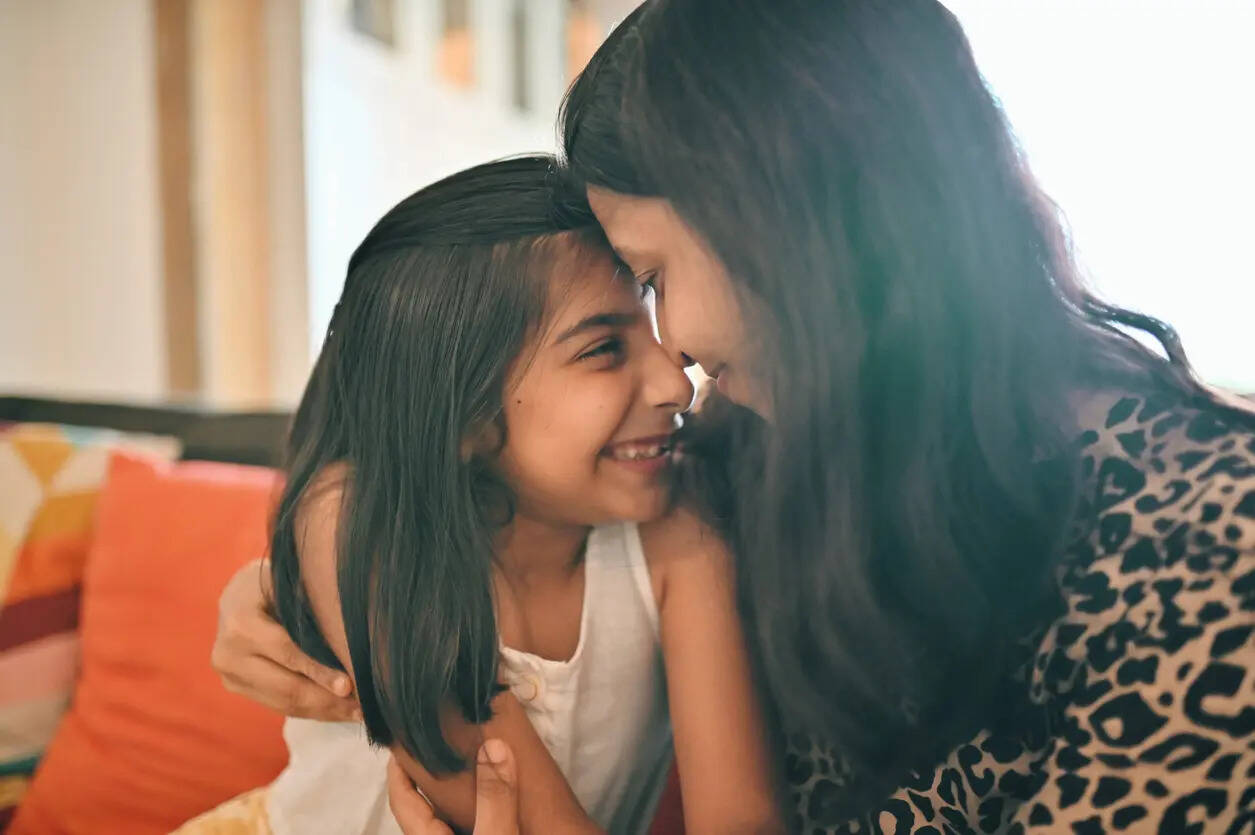
Sometimes the cure is not more effort in general, but better texture in the relationship. Create small rituals that belong to just the two of you. It might be a bedtime story, a walk after dinner, a weekly snack date, or a silly game that only the two of you share. Children respond strongly to repetition and familiarity. A private ritual can quietly strengthen a bond without forcing it. These moments do not need to be dramatic. In fact, the ordinary ones often matter more. The child remembers who noticed them, who listened closely, who made room for them without racing the clock.
Talk to your partner without turning it into a blame game
If the jealousy is eating at you, speak about it honestly but gently. The goal is not to accuse your partner of being the favorite. The goal is to share what the dynamic brings up in you. A good partner can help by making space, encouraging shared routines and staying mindful not to deepen the imbalance. This conversation works best when it stays focused on feelings rather than competition. “I feel left out sometimes” opens a better door than “the child likes you more.” The first invites closeness. The second invites defensiveness.
Watch for a deeper wound that needs attention
If the jealousy feels overwhelming, constant or tied to a larger sense of worthlessness, it may be carrying more than parenting alone. Sometimes the child’s preference pokes an old bruise around rejection, abandonment or low self-esteem. In that case, the answer is not just better parenting strategies but deeper emotional support. Talking to a therapist can help untangle what belongs to the present and what belongs to the past. That matters, because a child’s preference should be a temporary family dynamic, not a total measure of your value.