


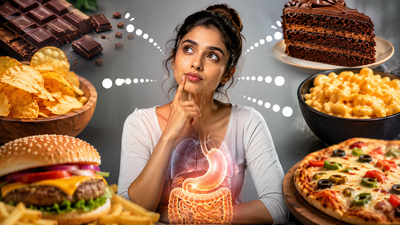
Cravings have a bad reputation. They are often treated like weakness, bad habits, or a lack of self-control. But the truth is usually more interesting than that. When your body keeps nudging you toward chocolate, chips, bread, or something icy and sweet, it may be trying to say something. Not always in a dramatic way. Not always in a medically precise one. But often enough to deserve attention. A craving is not just about taste. It can be shaped by sleep, stress, hormones, routine, dehydration, blood sugar swings, and sometimes even emotional fatigue. The body has a habit of speaking in shortcuts. It does not send an essay. It sends a signal. Scroll down to read more.
Cravings for sugar may point to low energy or stress


That sudden pull toward sweets is one of the most common cravings, and it is not always about dessert. Sometimes it shows up when your blood sugar is dipping, especially if you have gone too long without eating. A sugar craving can also appear when you are exhausted, because the brain is looking for fast fuel. Sugar delivers a quick hit of energy, which is exactly why the body asks for it when it feels depleted. Stress can play a role too. When you are overwhelmed, the body often leans toward comfort foods that feel soothing and familiar. That chocolate bar or sweet drink may not be about hunger at all. It may be about relief.
Cravings for salty foods can signal dehydration or exhaustion
If you keep reaching for chips, fries, or anything heavily salted, your body may be responding to fluid loss or tiredness. Salt cravings often become stronger after sweating, long hours in heat, or periods of dehydration. Sometimes they also show up when you are mentally drained and seeking a strong, immediate flavor that cuts through fatigue.That said, not every salty craving means you are low on sodium. More often, it is your body and brain asking for intensity, comfort, or a quick reset. Salty foods are designed to satisfy fast, which is why they can feel almost magnetic when you are worn down.
Cravings for carbs often come from restriction or low mood
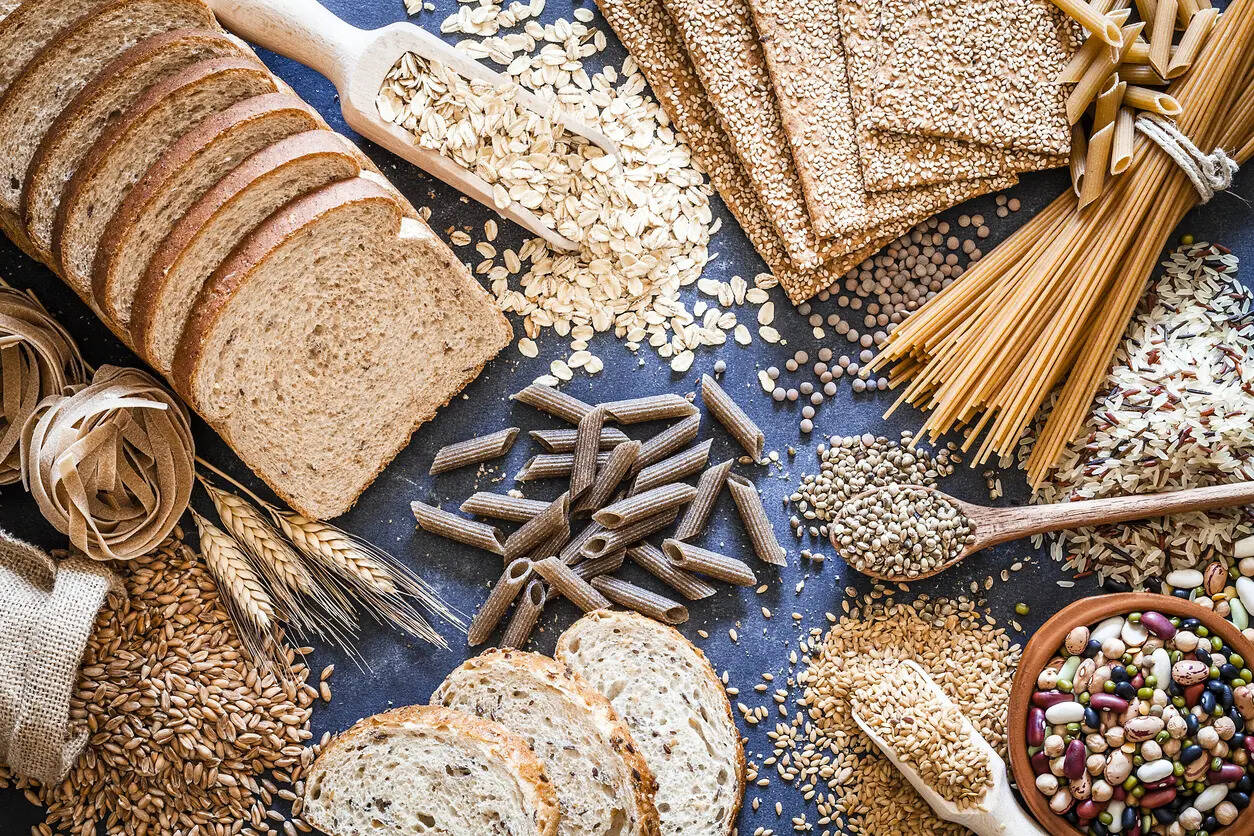
Bread, pasta, rice, toast, and noodles are frequent craving targets because carbohydrates are deeply tied to comfort and energy. If you are not eating enough during the day, the body may ask for carbs as an efficient source of fuel. But cravings for carbs can also appear when you have been dieting too hard or skipping meals. The body tends to push back against restriction. There is also a psychological side. Carbs are warm, soft, predictable, and often linked to security. When life feels unstable, people often crave foods that feel steady.
Cravings for fried or greasy foods may reflect fatigue
When you want fried food, the issue may be less about oil and more about overwhelm. Greasy foods are dense, satisfying, and hard to ignore. They tend to show up in moments when the body wants something heavy enough to feel calming. They can also appear when you are underslept, because tired brains often seek richer, stronger flavors. Sometimes the craving is simply habit. If you usually pair exhaustion with takeout, your brain remembers the pattern and repeats it.
Cravings for ice or non-food items should not be ignored
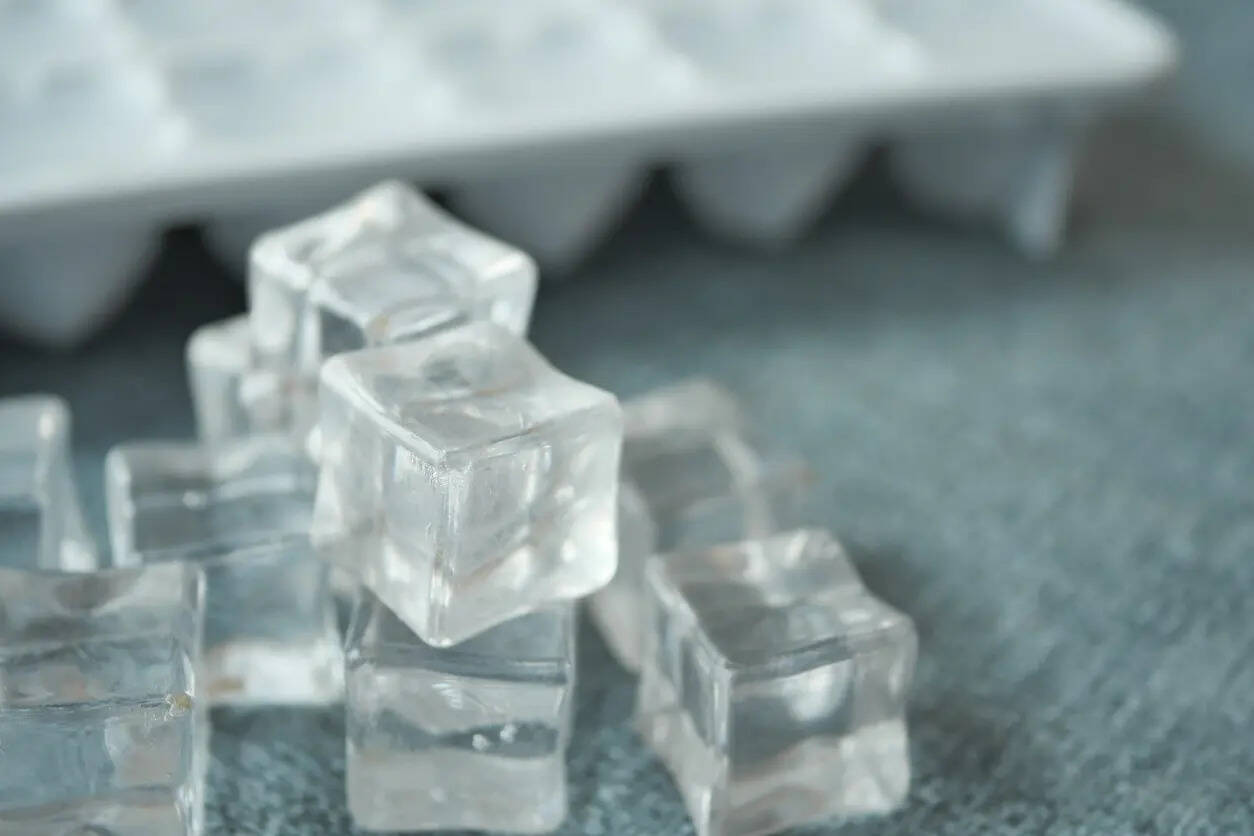
Some cravings go beyond the usual snack aisle. A strong urge to chew ice, for example, can sometimes be linked to iron deficiency. Craving non-food substances is worth paying attention to, because it may be a sign that something more specific is going on. These patterns are not always alarming, but they should not be brushed off either.
What your body may need beyond food
Not every craving is nutritional. Some are really messages about your lifestyle. Poor sleep can intensify cravings in a big way. So can dehydration, stress, boredom, hormonal shifts, and simply not eating enough protein, fiber, or balanced meals through the day. That is why it helps to ask a few simple questions before giving in to a craving: Am I actually hungry? Did I sleep enough? Have I had water? When did I last eat something filling? Am I stressed, bored, or emotionally spent? Often, the answer is waiting in that pause.
Listen without panic
Cravings are not enemies. They are clues. They do not always tell the full story, but they often point toward something real. Sometimes that something is physical hunger. Sometimes it is fatigue. Sometimes it is stress. And sometimes it is just a body asking to be heard more carefully. The goal is not to suppress every craving or obey every one of them. It is to notice the pattern, understand the signal, and respond with a little more intelligence than guilt. That is usually where better eating begins.