


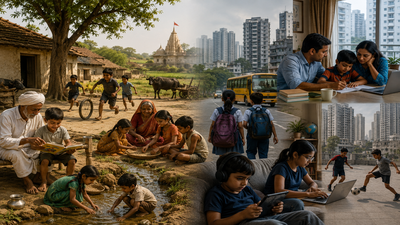
In India, childhood does not arrive in one single shape. A child growing up in a village and a child growing up in a city may share the same country, the same festivals, the same family names, even the same worries. But the rhythm of their lives can feel worlds apart. One grows up with open spaces, shared courtyards and a village that seems to know every milestone. The other grows up with apartment walls, school buses, schedules and the constant pull of screens, tuition classes and ambition. Neither version of parenting is perfect. Both carry strengths, pressures and blind spots that shape the child in different ways. Scroll down to know more…The village childhood: Freedom, closeness and communityIn many villages, parenting is not limited to two adults. It often stretches across grandparents, uncles, aunts, neighbours and even the local shopkeeper who notices when a child has been quiet for too long. Children are raised inside a social net that watches, guides and corrects them.That kind of environment can give children something precious: a sense of belonging. They are rarely alone in the emotional sense. Someone always seems to know where they are, what they ate, who they played with and whether they studied.

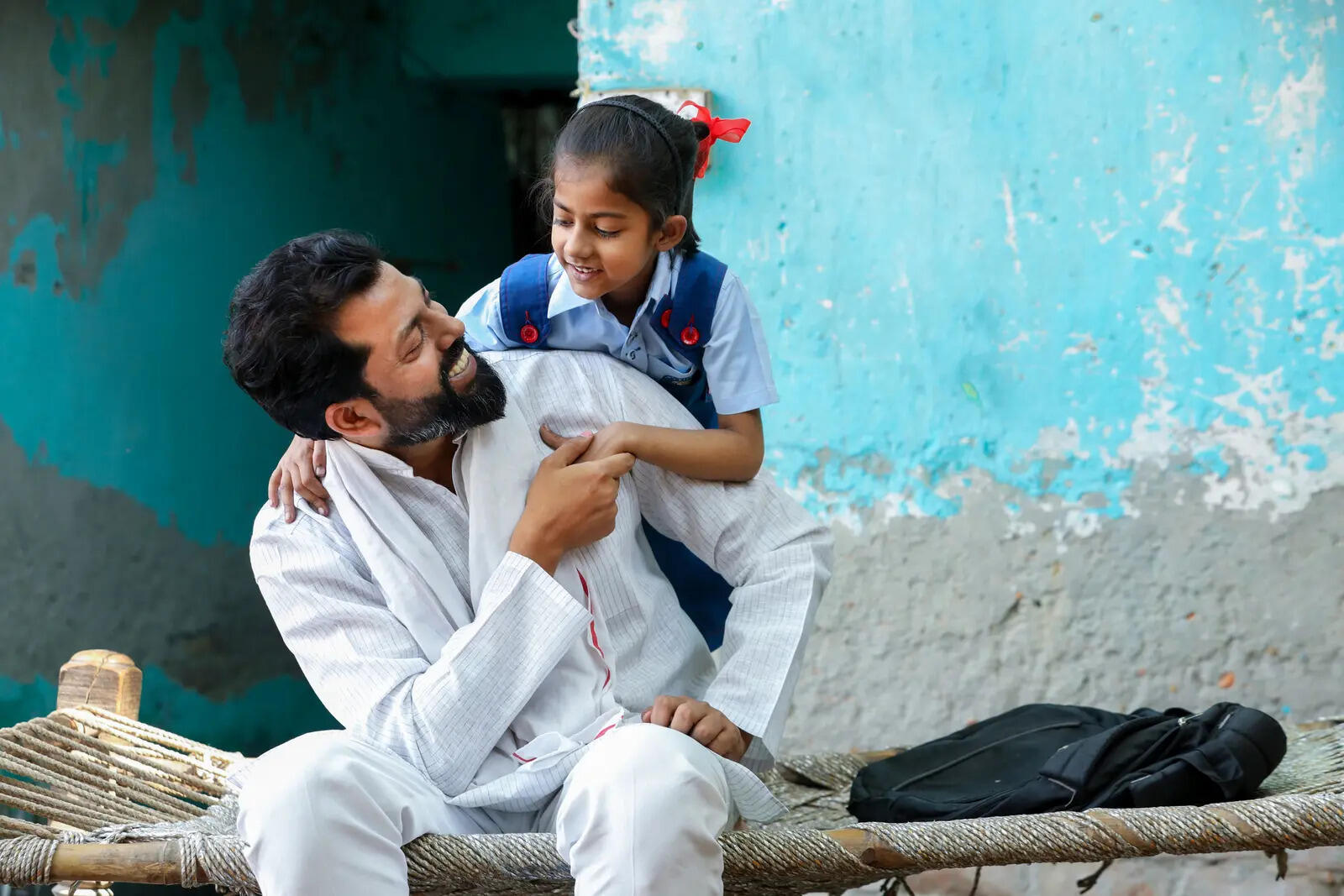
Village childhoods also tend to offer more unstructured time. Children play outdoors, explore lanes, climb trees, help with chores and learn the practical texture of life early. They see work not as an abstract idea but as something woven into the day. Water has to be carried. Animals have to be fed. Fields have to be observed. This can build resilience, patience and a grounded understanding of effort.But this closeness has another side. Privacy is scarce. Mistakes travel fast. Expectations can become collective. A child is not only judged by parents, but by the entire village. That can be comforting when the child is loved, and suffocating when the child is different.The city childhood: Opportunity, pressure and constant comparisonCity parenting often begins with a different kind of anxiety: how to prepare a child for an increasingly competitive world. Parents in urban India are more likely to think in terms of school rankings, enrichment classes, entrance exams, screen time, safety, nutrition and future careers.This can create children who are highly exposed and highly prepared. They may attend better schools, learn English early, use digital tools comfortably and have access to sports, art classes and structured learning that many village children still do not. Cities can widen horizons. They bring children into contact with different cultures, career paths and ways of thinking.
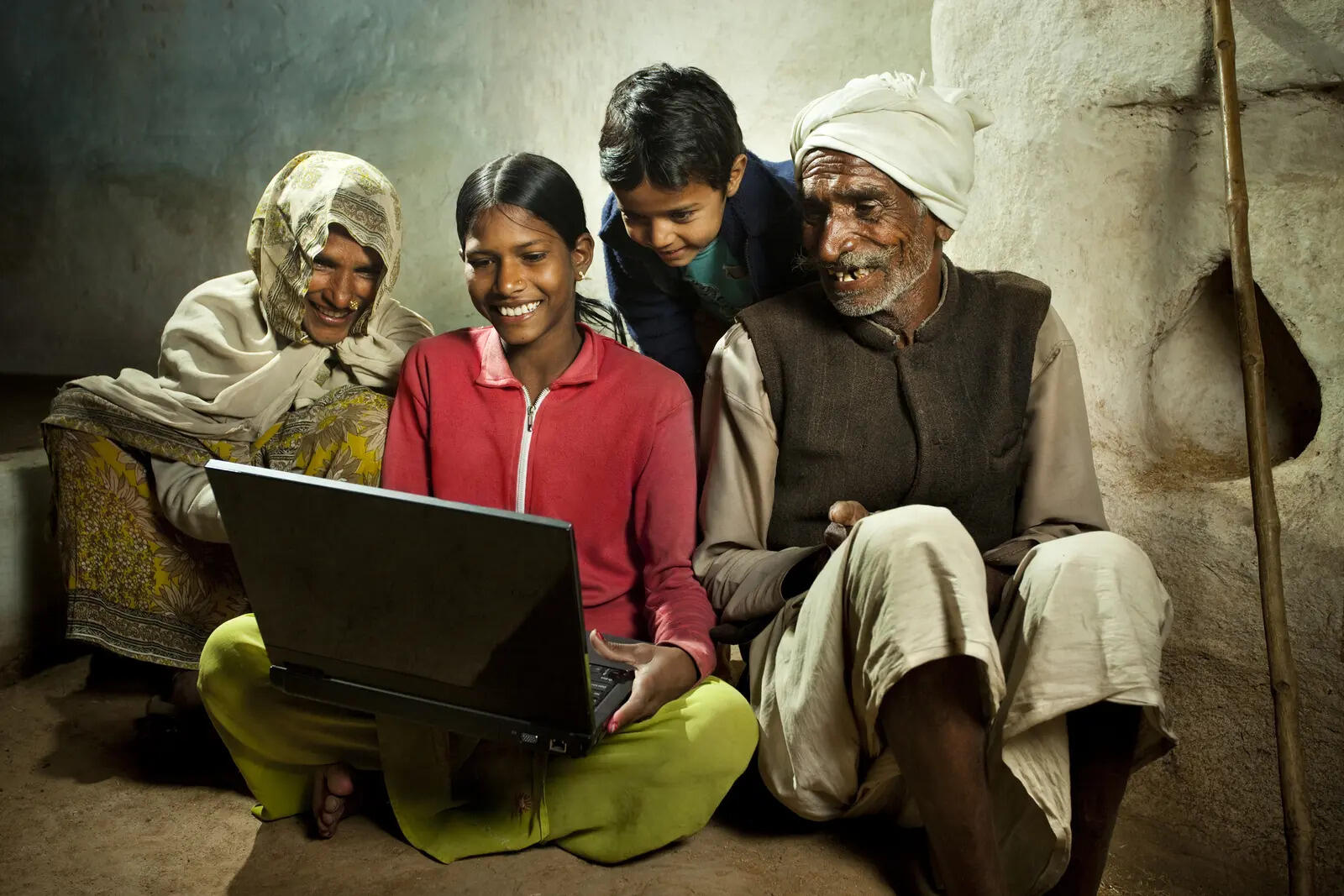
Yet the city has its own cost. Childhood can become scheduled to the minute. The freedom to wander is often replaced by the freedom to be supervised. Parents worry about traffic, strangers, pollution and academic pressure. As a result, many city children spend more time indoors, more time on screens and less time in spontaneous play.The emotional climate can also be lonelier. Families are often smaller. Grandparents may live elsewhere. Neighbours may not know one another well. In apartment life, a child can be surrounded by people and still feel oddly unseen.What children learn differentlyThe real difference between village and city parenting is not just lifestyle. It is the kind of adulthood each environment quietly rehearses.A village child often learns interdependence early. There is a practical understanding that life is shared, labour matters and survival depends on cooperation. These children may grow up more comfortable with family duties, community rules and emotional familiarity.A city child often learns individualism earlier. The message, sometimes spoken and sometimes silent, is that talent, polish and performance matter. These children may become more confident in formal settings, more ambitious in language and more used to negotiating choices.Both can be strong advantages. Both can also create pressure. One child may learn to fit in too well. Another may learn to stand out too early.A few striking contrastsThe divide becomes clearer in daily life:
- In villages, children often learn from observation; in cities, they learn from instruction.
- In villages, discipline may come from community norms; in cities, from schedules and parental planning.
- In villages, play is often physical and improvised; in cities, it is frequently organised or digital.
- In villages, children may grow up with more emotional familiarity; in cities, with more privacy but also more isolation.
- In villages, children may mature faster in practical ways; in cities, they may mature faster in academic or social ways.
The deeper truthIt is easy to romanticise village parenting as simpler and healthier, or city parenting as better equipped and more modern. The truth is messier.

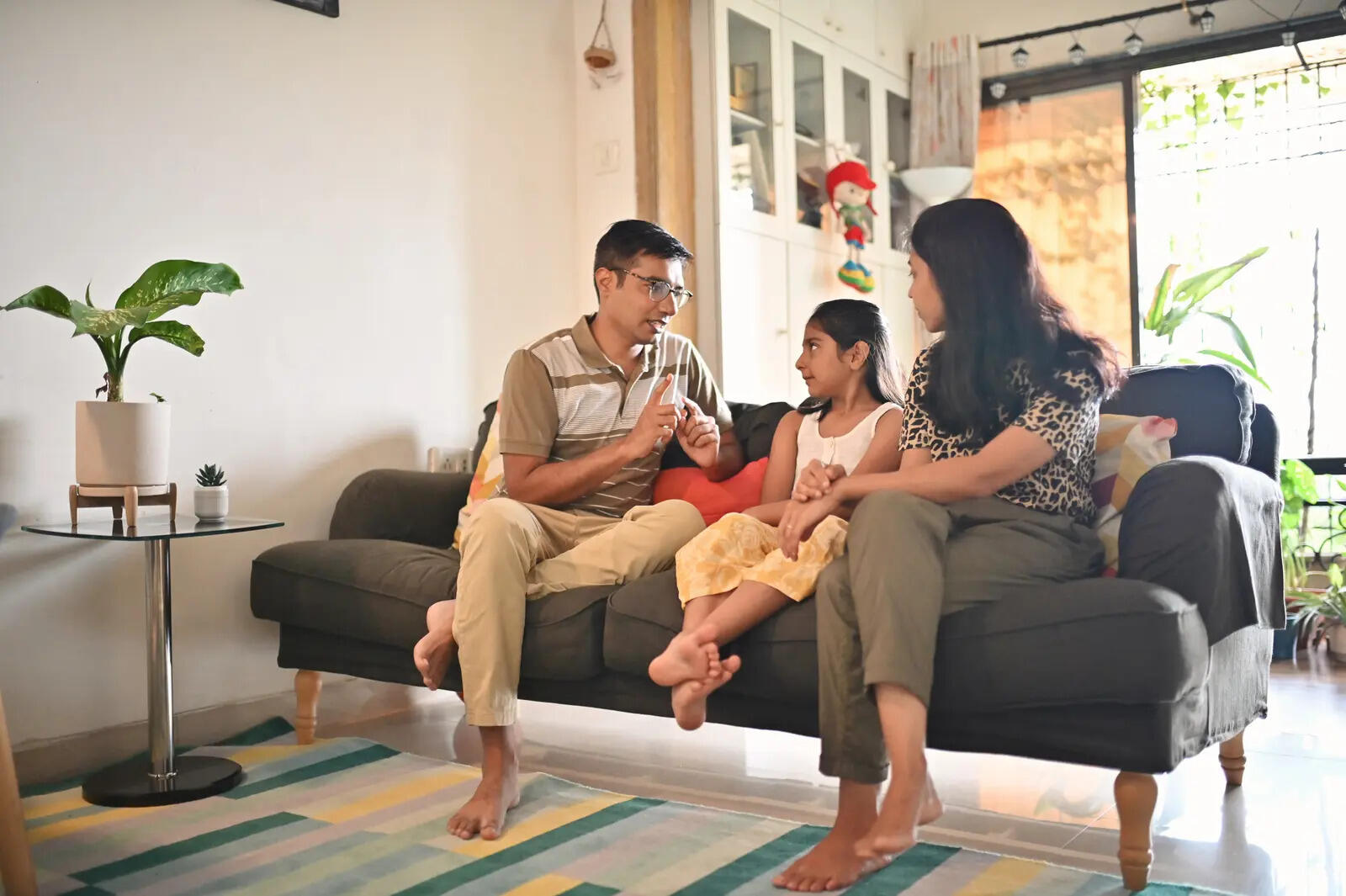
Village life can offer emotional warmth, real-world learning and community protection. It can also carry rigid social control and fewer opportunities. City life can offer education, exposure and upward mobility. It can also produce anxious, over-scheduled children who know how to perform but not always how to rest.What children need is not a village or a city alone. They need enough freedom to explore, enough structure to feel safe, enough love to feel seen and enough room to become themselves. A child who is only managed may grow obedient but not confident. A child who is only free may grow curious but not secure.In the end, the best parenting in India may not belong to any geography. It belongs to the families that know how to keep what is humane and let go of what is cruel. It belongs to parents who can borrow the village’s warmth and the city’s opportunities without inheriting the worst anxieties of either. That is the real difference, perhaps. Not where the child grows up, but whether the child grows up feeling held.